Project 'Loita Plains' - Kenya
 MAJI is involved in the 'Loita Plains Conservancy Project'
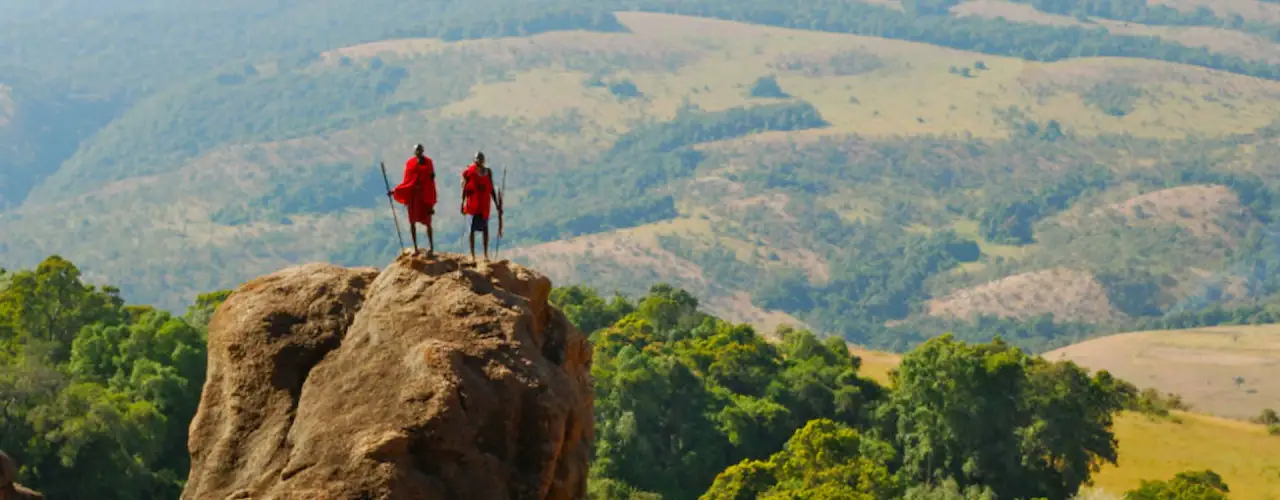
The 'Loita Plains' is a vast nature reserve where many tens of thousands of wild animals roam annually in search of water and food.
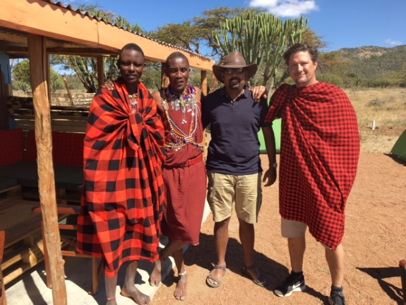
The local Masai population has been a nomadic tribe for centuries, which, depending on the season and rainfall, also has their cattle roaming around in search of water and grass in the same area.
Although most land is owned by individual families, the Masai have always shared their land and the cattle are free to graze everywhere. For example, livestock farming and nature value are in harmony with each other and healthy income is generated with both livestock farming and safari tourism.
This situation is changing rapidly: there is more drought as a result of climate change. External investors are buying up land and fencing with fences.
In the meantime, a structural water shortage has arisen in the entire area, because of the many fences the livestock and game can no longer travel around and both inside and outside the fences no longer reach the various water locations.
Many farmers have a hard time in this new situation, and wild animals walk when they are hunted in the fences and die.
High time for structural change, and that is coming now.
The project: In order to guarantee sustainable livestock farming and to restore the unique natural ecosystem, water wells with drinking ponds are now being created in the migration corridors; so that sufficient water is available throughout the year. The farmers and landowners are organized in a cooperative and the water points are shared property of the entire cooperative.
To get legal access to the water, all landowners are obliged to remove their fences. The costs for maintenance are shared pro rata.
In addition, by conserving the area, a percentage of the income from ecotourism is spent on smart environmental restoration and conservation and a training center is being built to teach rangers and guides.
MAJI realizes five water points in this project, consisting of:
1: geological and hydrological research, reporting and application of drilling permits
2: construction of wells of approx. 120-180 meters depth
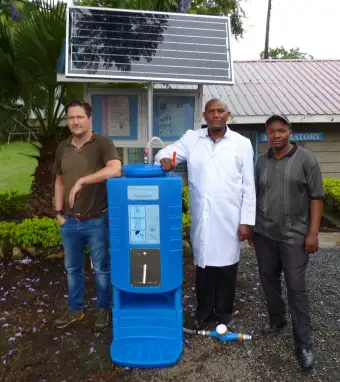
3: pump installations on solar energy and piping
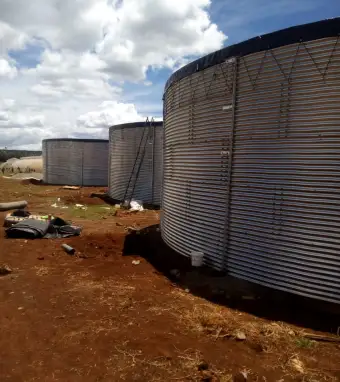
4: water towers with MAJI silo tanks
5: drinking basins for livestock and separate basins for wild animals, resp. 400 m2 and 2000 m2 per basin